
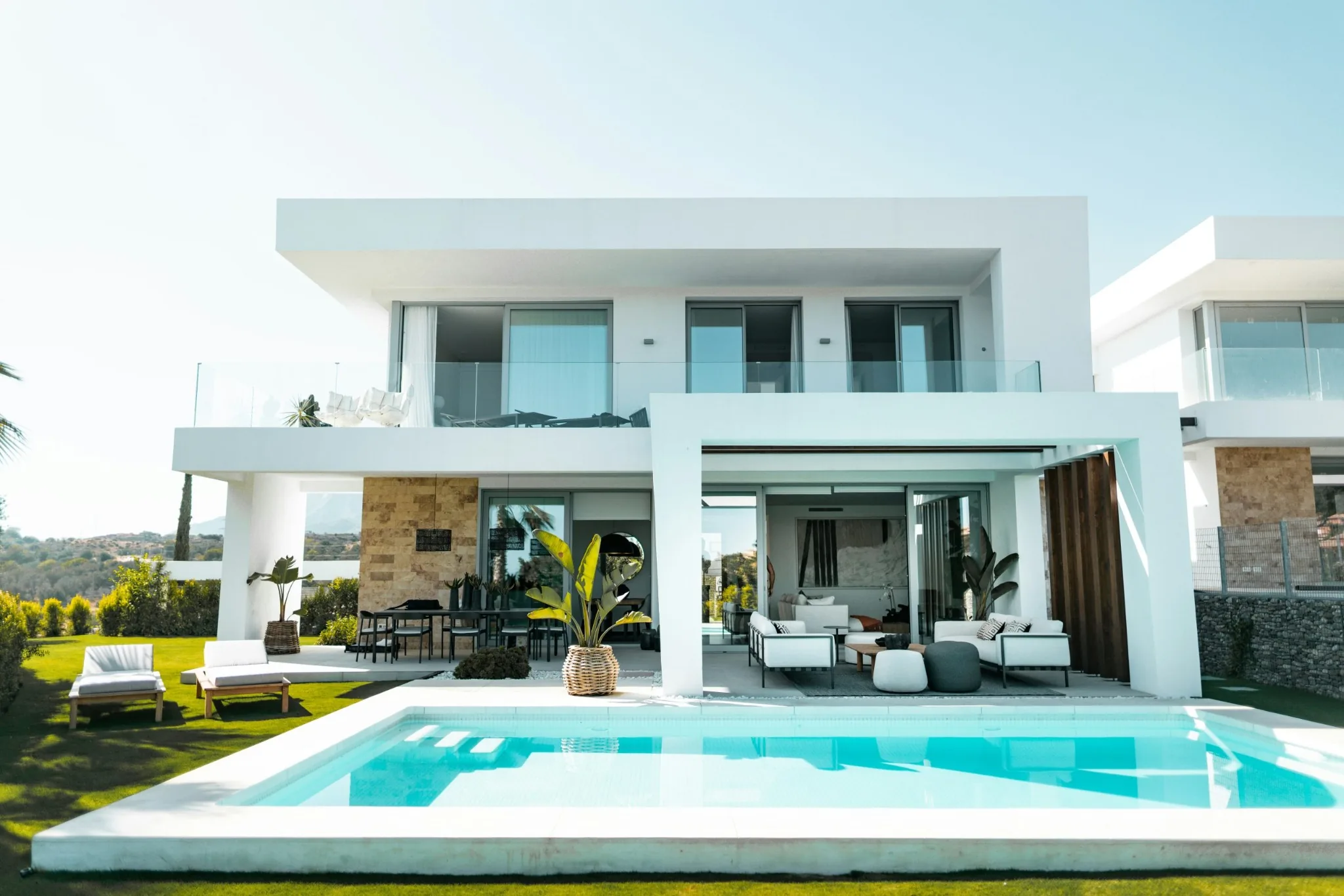
Different Types of Swimming Pools
From custom concrete and inground family pools to plunge pools and spas, a Sydney-focused guide to pool types and which formats suit typical blocks and lifestyles.
Why pool type matters before you choose a size
Pool type is not just marketing language. It describes how the shell is built, how much design freedom you have and how the pool behaves on your site over time. Two pools of the same length can feel completely different depending on construction method and depth profile.
Sydney blocks range from compact eastern suburbs courtyards to wide north west estates. The right pool type balances how you want to swim, entertain and maintain the space against access, soil and council rules on your property.
Starting with type helps you compare quotes fairly, because excavation, engineering and finish options shift with each format.
Custom concrete pools
Concrete pools are formed on site with steel reinforcement and a sprayed or poured shell, then finished with pebble, tile or render. They suit homeowners who want a bespoke shape, integrated bench seating, sun shelves or architecture-led curves.
Concrete handles complex sites well when engineering responds to slope, rock or reactive clay. Many premium Sydney outdoor projects use concrete because the pool can mirror house lines and material palette.
See our /concrete-pools/ page for how custom concrete construction works in practice on local blocks.
Inground family pools
Inground pools sit flush with the surrounding yard and are the familiar rectangle or freeform layout many families picture. They offer room for play, laps and lounging when the block has enough depth and width.
Construction is usually concrete or fibreglass depending on design goals. Larger inground shells on Hills or northern beaches blocks often pair with wide paving, glass fencing and outdoor kitchens.
Our /inground-pools/ overview covers typical inground layouts and how they differ from elevated or semi-above-ground formats.
Plunge pools and compact formats
Plunge pools prioritise depth and cooling over lap length. They suit courtyards, terrace extensions and owners who want water without giving up the whole lawn.
Compact shells can still include heating, bench seats and spa jets when planned early. Access constraints on inner-east properties often push the brief towards a smaller, deeper vessel rather than a stretched lap pool.
Explore /plunge-pools/ if your site is better suited to a refined compact pool than a full family layout.
Fibreglass shells and prefabricated options
Fibreglass pools arrive as a pre-made shell craned into place. You choose from manufacturer sizes rather than drawing any outline, which can simplify budgeting when a standard mould fits the yard.
Smooth gelcoat interiors feel consistent from day one. Installation timelines can be shorter when excavation and crane access align, though difficult sites still add cost.
Our fibreglass pool versus concrete guide compares both paths when you are deciding between moulded shells and site-built concrete.
Spas and combined pool-spa setups
Standalone spas and integrated spa zones add hydrotherapy, heating and year-round use outside peak Dec to Feb swimming. Combined pool and spa plumbing shares equipment but needs careful layout to avoid dead zones.
Heated spas extend usable hours on spring and autumn evenings when a full pool might feel too large to heat for occasional use.
Visit /spas/ for spa-focused options that sit beside or within a larger pool design.
Renovating or repurposing an existing pool
Not every project starts with a new hole. Older concrete pools can be resurfaced, retiled or reconfigured when the structure is sound but the finish or shape no longer suits the house.
Changing type mid-life is limited: you cannot turn a fibreglass shell into a fully custom concrete shape without replacement. Renovation usually means improving the same vessel and surrounds.
Read /pool-renovations/ when the goal is to refresh an ageing pool rather than build from scratch.
Frequently asked questions
Which pool type is most popular in Sydney?
Custom concrete and inground pools are common on family blocks where design integration matters. Plunge pools have grown on smaller sites where space is tight but owners still want water.
Can I build any pool type on a sloping block?
Most types are possible with retaining and engineering, but cost and complexity rise. Concrete often suits bespoke solutions on difficult grades.
Is a plunge pool a different type from an inground pool?
A plunge pool is usually inground but smaller and depth-focused. The label describes intended use and proportions rather than a separate construction material.
Does pool type affect council approval in NSW?
Approval pathways focus on safety, fencing and structural compliance rather than marketing names. Your certifier and council can confirm requirements for your property.