
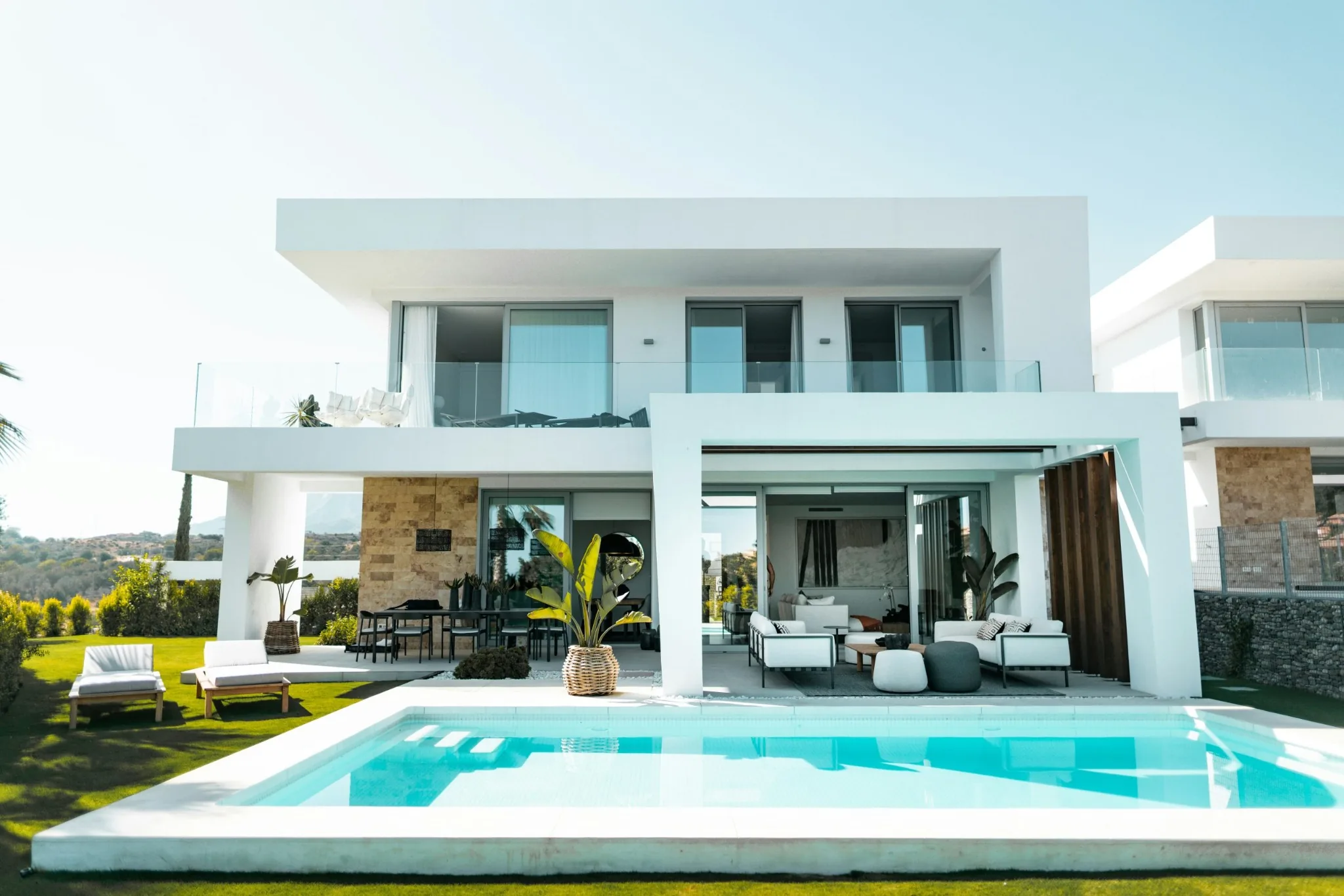
Indoor Pool vs Outdoor Pool
How indoor and outdoor pools compare for Sydney homes: climate, year-round use, build and running costs, maintenance load and when enclosed swimming actually earns its keep.
Sydney climate tilts most homes towards outdoor pools
Sydney sits in a temperate coastal climate with mild winters and long warm stretches from spring through autumn. For most households, outdoor swimming from December to February and comfortable use on either side of that peak makes an open-air pool the natural default.
Outdoor pools connect directly to gardens, alfresco dining and northern light. They feel part of Sydney outdoor living culture rather than a sealed room you visit separately from the rest of the home.
Indoor pools solve different problems: privacy in dense areas, year-round training regardless of rain, or health needs that favour stable water temperature every week of the year.
Year-round use and heating expectations
Outdoor pools in Sydney are often used heavily through summer and selectively in cooler months unless heating is installed. A heat pump or gas heater extends the calendar, but owners still accept more leaf load, wind chill and weather variability than an enclosed pool.
Indoor pools support consistent lap routines in July as easily as January when air and water temperatures are managed. That matters for serious swimmers, hydrotherapy users and families who want daily access without checking the forecast.
Heating costs run year round in many indoor setups because the room as well as the water may need conditioning. Outdoor owners can choose seasonal heating strategies that match actual use.
Build complexity and upfront scope
Outdoor /inground-pools/ on typical Sydney blocks involve excavation, shell construction, paving, fencing and equipment pads in the garden. The building envelope already exists; the pool extends outdoor infrastructure.
Indoor pools require a structurally sound hall or extension with waterproofing, drainage, dehumidification and often higher ceilings for clearance and ducting. The pool shell is only one line item inside a larger building project.
Retrofitting an indoor pool into an existing home is rare compared with planning a new wing or basement designed for moisture load from day one.
Ventilation, humidity and indoor air quality
Evaporation from an indoor pool loads the room with moisture. Without dedicated dehumidification and airflow, condensation damages plaster, timber and joinery while creating uncomfortable clammy air.
Mechanical ventilation must be engineered for the water surface area and intended bather load, not guessed from residential bathroom fans. Operating that plant adds electricity and servicing distinct from outdoor filtration alone.
Outdoor pools vent moisture freely to the atmosphere. Wind and sun assist evaporation management; your main outdoor challenge is debris and fencing compliance rather than room humidity.
Maintenance and daily ownership feel
Outdoor pools face leaves, pollen, bird debris and storms. Skimming and cover use spike after east coast weather events, but chemical balance often stabilises easily in open air with good circulation.
Indoor pools see less windblown debris yet still need disciplined chemistry and filter care. Enclosed spaces make chemical odour and poor balance more noticeable to occupants if maintenance slips.
Both formats benefit from covers when idle. Outdoor solar covers can assist heating; indoor thermal covers reduce evaporation load on dehumidifiers.
Cost and value: an honest comparison
Indoor projects generally carry higher total cost because structure, HVAC and finishes surround the shell. Outdoor projects concentrate spend in the yard on shell, compliance barriers and landscaping.
Running costs favour outdoor pools for owners who swim seasonally. Indoor pools that operate continuously through winter accumulate power for heating, dehumidification and lighting in a way outdoor seasonal use may not match.
Resale appeal in Sydney suburbs often aligns with well-finished outdoor entertaining. Indoor pools suit niche buyers; they are not automatically more valuable than a beautiful garden pool integrated with the house.
When each option is the sensible choice
Choose outdoor when you want classic Sydney lifestyle, natural light and lower building complexity on a normal residential block. Most family pools across the north west, eastern suburbs and northern beaches follow this path.
Choose indoor when year-round privacy, controlled conditions or therapeutic use justify the building envelope and HVAC running costs. High-end renovations with dedicated pool halls are the typical context, not a standard backyard swap.
Hybrid thinking exists: outdoor pools with robust heating, windbreak planting and /spas/ for cooler evenings deliver much of the comfort without enclosing the water. Discuss your real usage pattern through /contact-us/ before committing to a full indoor build.
Frequently asked questions
Is an outdoor pool enough for Sydney weather?
For most families, yes. The temperate climate supports long outdoor seasons, especially with heating and shade for shoulder months. Indoor pools matter when you need reliable all-weather access beyond what a heated outdoor pool provides.
Are indoor pools more expensive to run?
Often yes, because dehumidification, room heating and continuous lighting add to normal filtration and water heating costs. Outdoor seasonal use can be switched down when weather does not suit swimming.
Do indoor pools need special ventilation?
Yes. Dedicated dehumidification and airflow design prevent moisture damage and maintain comfortable air quality. Standard home ventilation is not sufficient for pool halls.
Can I convert an outdoor pool to indoor later?
Practically it means building an enclosure with full moisture control around the existing shell. It is a major building project comparable to new construction rather than a simple roof addition.