
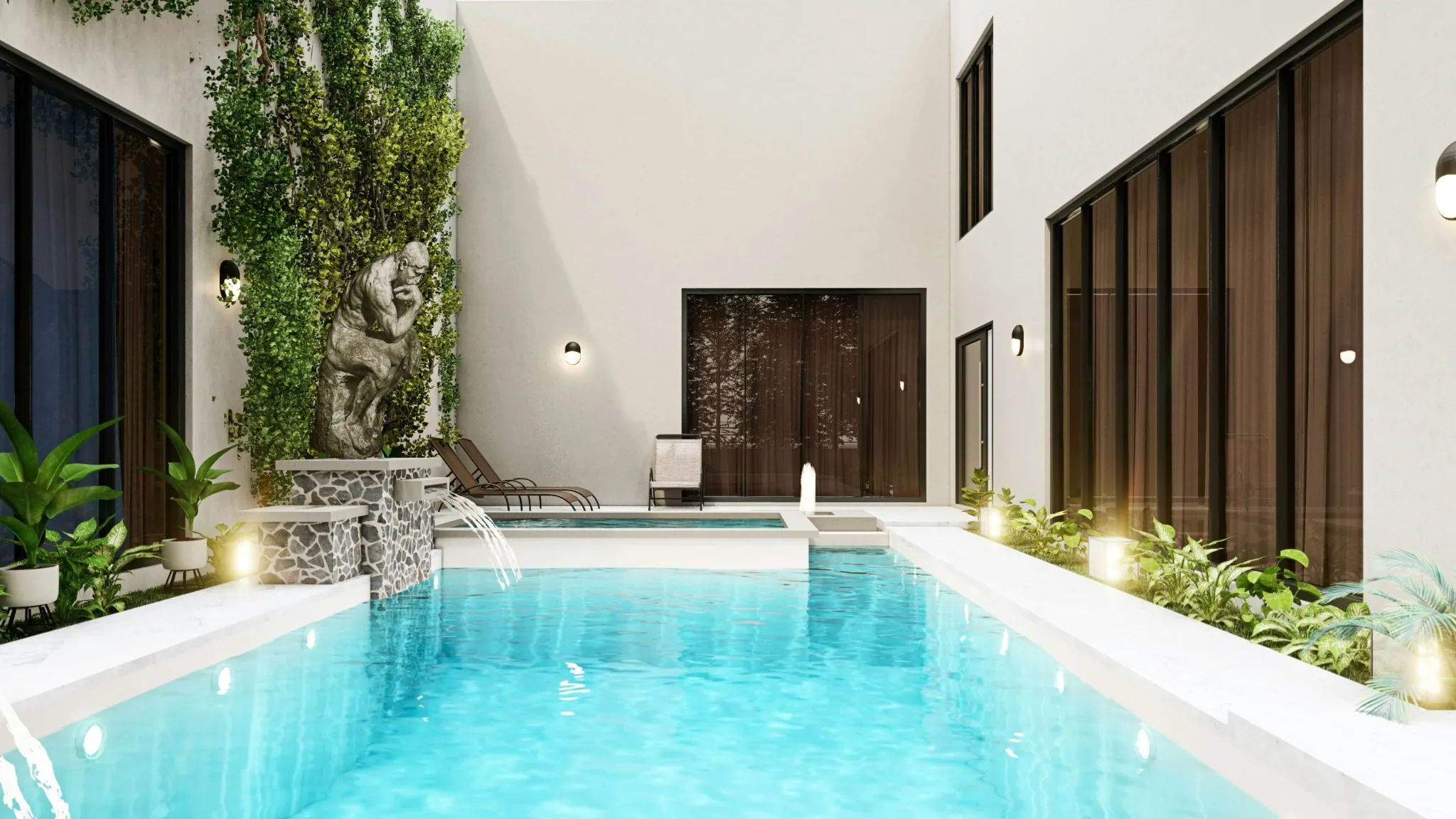
Pool Maintenance Guide
Practical upkeep advice for Sydney pool owners: water balance through hot summers, equipment checks, cleaning routines and when to call a professional.
Understanding Sydney’s pool season and daily use patterns
Sydney’s temperate climate means many pools stay in use from spring through autumn, with peak demand during the summer months from December to February. Long daylight hours and warm evenings push filtration and sanitising harder than in cooler months.
Maintenance is not only about sparkling water on weekends. Consistent care protects equipment, reduces algae risk after heavy rain and keeps the pool safe for family and guests when use spikes over the holidays.
A simple weekly routine plus a few seasonal adjustments is usually enough for residential pools when the basics are understood.
Water balance: pH, chlorine and stabiliser
Balanced water is the foundation of low-hassle ownership. pH that drifts too high or too low affects swimmer comfort and how effectively chlorine works. Test at least weekly in summer and after storms that dilute the pool with fresh water.
Chlorine keeps sanitiser levels in a safe range for bathers. Salt chlorinators are common in Sydney, but they still need cell cleaning and occasional manual adjustment when bather load is high.
Cyanuric acid (stabiliser) slows chlorine loss under strong sun. Too little and sanitiser burns off quickly in January heat; too much can reduce chlorine effectiveness. Your local pool shop can help interpret test results against Australian conditions.
Filtration, pumps and daily run times
The filter removes fine particles that cloud water. Cartridge and media filters each have different cleaning cycles; backwash sand filters when pressure rises, and rinse cartridge elements according to manufacturer guidance.
Pump run time should match bather load and season. Many Sydney owners run longer in summer and shorten hours in winter when the pool is used less. Circulation matters as much as total hours; dead spots near steps and benches may need occasional manual brushing.
Unusual pump noise, leaking seals or tripping circuits are signs to stop running the equipment and arrange a service visit before damage spreads.
Cleaning routines: skimming, brushing and vacuuming
Skim leaves daily when trees overhang the pool, especially after north shore or bushland suburbs lose foliage in wind. Organic matter consumes chlorine and stains surfaces if left sitting on the waterline.
Brush walls and steps weekly to prevent algae film in shaded corners. Pay attention to tile lines and behind ladders where circulation is weaker.
Vacuum the floor manually or use an automatic cleaner suited to your surface finish. Pebble and tiled interiors tolerate regular brushing; painted or older surfaces need gentler technique, particularly if you are managing an older shell through /pool-renovations/.
Equipment room checks and seasonal shutdown
Inspect the chlorinator cell, pump basket and filter housing monthly. Clear debris from baskets before it restricts flow. Salt cells scale in hard water areas; gentle cleaning extends their useful life.
Heaters and spa jets on combined /spas/ setups need their own service intervals. Gas and heat pump units should be serviced by qualified technicians according to manufacturer schedules.
In cooler months you may reduce heating and run times, but do not neglect water testing entirely. Algae can still take hold in mild Sydney winters if sanitiser drops during a quiet fortnight.
When to DIY and when to book a professional
Testing, skimming and basic chemical adjustment suit most owners who keep a logbook through summer. Structural leaks, cracked coping, failing equipment installs or persistent green water after correct chemistry often need professional diagnosis.
After renovation or new construction, follow the handover advice from your builder on start-up chemistry and initial brushing schedules. New plaster and pebble finishes have a curing period where water balance is especially important.
If the pool is part of a major outdoor upgrade, aligning maintenance habits with new landscaping drainage prevents debris and runoff from undoing your chemical balance after every rain event.
Frequently asked questions
How often should I test pool water in Sydney summer?
Weekly testing is a sensible minimum from December to February, and after heavy rain or large gatherings. Increase frequency if the pool looks dull or algae appears despite normal run times.
Do salt pools need less maintenance?
Salt chlorination automates much of the sanitising work, but pH, stabiliser and physical cleaning still need attention. The cell also requires periodic inspection and cleaning.
Why does my pool go cloudy after rain?
Rain dilutes chlorine and introduces contaminants from roofs and surrounding gardens. Test and adjust sanitiser and pH soon after storms, and run the filter longer until water clears.
Can I close my pool over winter in Sydney?
Most Sydney pools stay partially active through winter with reduced heating and shorter pump hours. Full shutdown is uncommon in temperate coastal climates unless the property is vacant for extended periods.